
Metal Mineral
CIL Gold Carbon Leaching Process
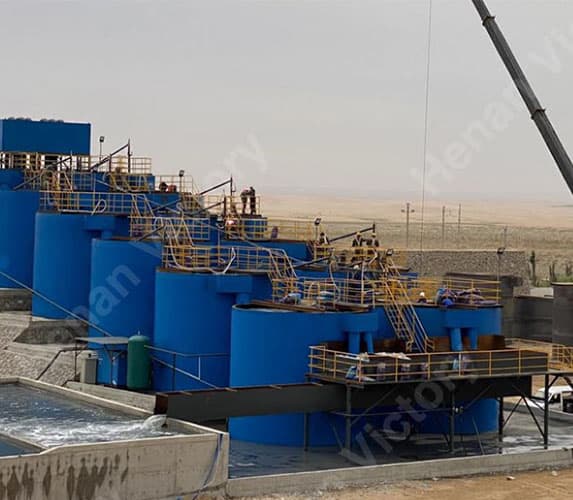
The carbon leaching method (CIL ) is developed on the basis of the gold extraction process for the replacement of fully viscous zinc cyanide powder. It is mainly suitable for processing low sulfur oxidized minerals with a lot of sludge. Electrolytic extraction by desorption, carbon pickling and thermal regeneration, chemical preparation, wastewater treatment and gold smelting and other processes. The coal leaching process is characterized by the fact that the leaching and adsorption operations are performed simultaneously, which saves the stirring tank and saves the investment. In recent years, newly built wet gold mining plants have generally adopted this process.
Details →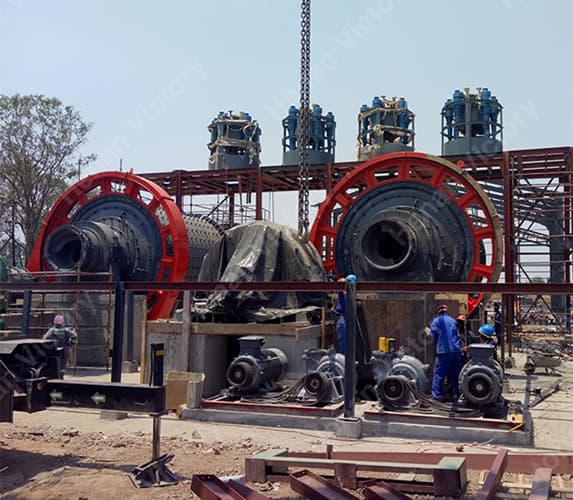
CIP Gold Carbon In Pulp Process
Gold extraction by carbon slurry process is mainly composed of cyanide leaching, activated carbon adsorption, desorption, and carbon regeneration. At present, it has become a major gold extraction method commonly used worldwide. It has the characteristics of fast adsorption rate, which can minimize the gold grade of the final tail liquid and reduce the loss of dissolved gold from the tail liquid.
Details →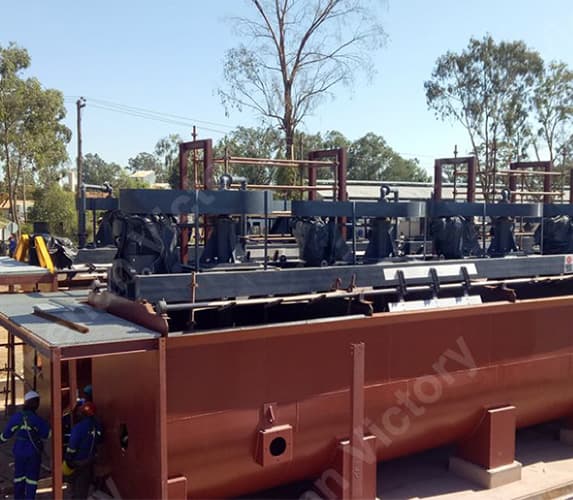
Gold Flotation Production Line
Flotation is widely used in gold ore processing plant to process the rock gold ,commonly used in dealing with highly floatable sulfide minerals containing gold ore. Flotation process can maximum enrich gold to the sulfide mineral , tailings can be abandoned directly , the cost of processing plant is low, 80% of China's rock gold are used in this method.
Details →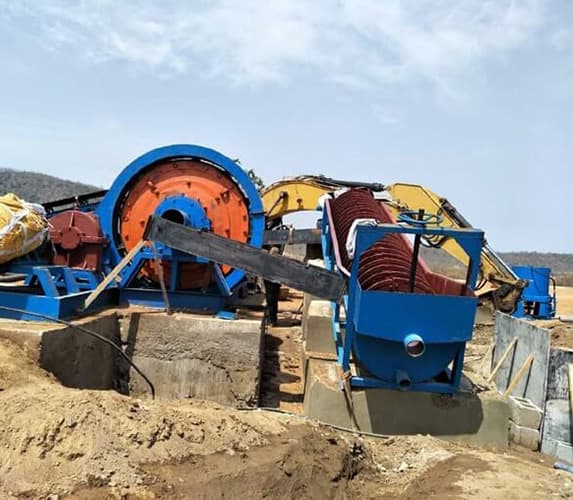
Alluvial Gold Processing Plant
For alluvial gold, also called sand gold, gravel gold, placer gold or river gold. it is suitable for Gravity Separation. Achieve optimal gold recovery with minimal impact on the environment. Henan Victory gold washing process enables sustainable and cost-effective gold recovery >90%.
Details →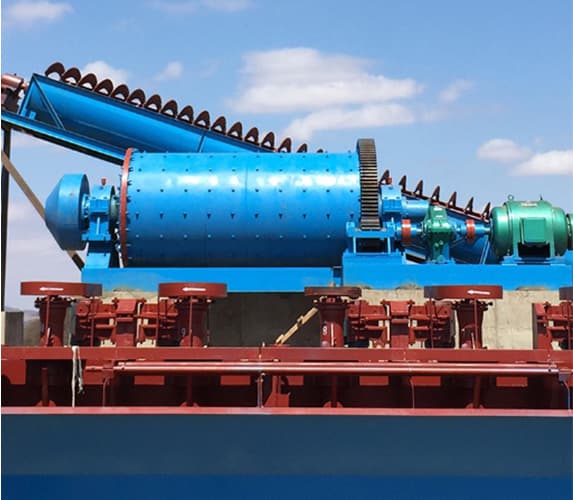
Chrome Ore Dressing Process
Chromium is an important alloy element for smelting stainless steel, internal heating steel, alloy tool steel, alloy structural steel and various types of cast iron. The chromite ore usually used to produce ferrochromium contains more than 38% chromium. For the beneficiation of chromium ore, the gravity separation process method is the first choice. Shakers, jiggers and spiral classifier are often used in production. Other chromium ore beneficiation includes magnetoelectric separation, flotation, chemical separation, etc.
Details →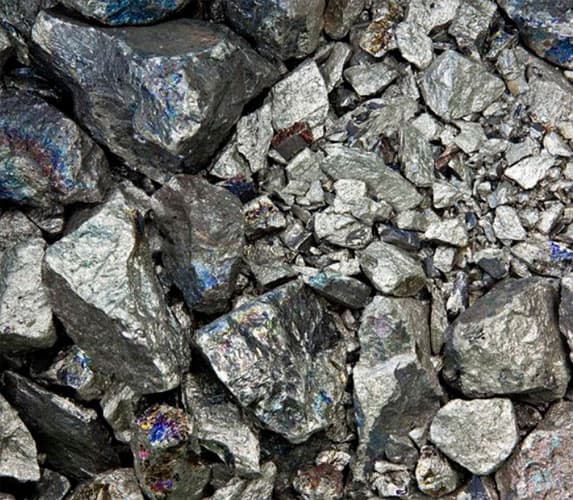
Tin Ore Dressing Process
Because the density of cassiterite is higher than that of symbiotic minerals, the traditional process of tin ore beneficiation is gravity beneficiation. With the passage of time, the particle size of cassiterite in the selected ore continues to become finer, and the cassiterite flotation process appears. In addition, because tin minerals often contain various iron oxide minerals, such as magnetite, hematite, and limonite, these minerals cannot be separated from cassiterite well by flotation and gravity separation. Magnetic separation has recently appeared in the tin ore beneficiation process. At present, most of the float-gravity beneficiation process is used in tin ore dressing process.
Details →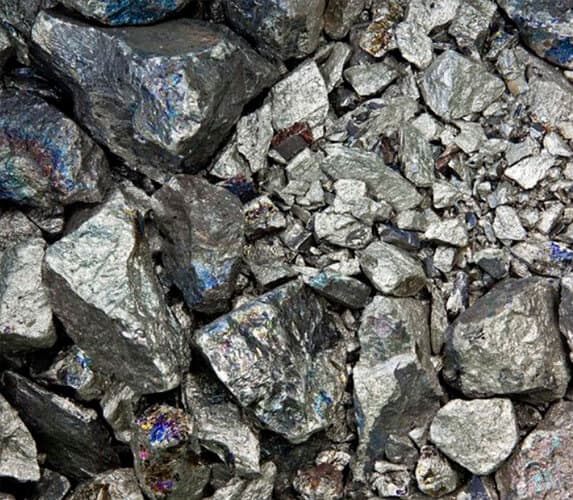
Nickel Ore Dressing Process
Nickel ore is mainly divided into copper-nickel sulfide ore and nickel oxide ore, and their beneficiation and processing methods are different. The most important method for beneficiation of copper-nickel sulfide ore is flotation, while magnetic separation and gravity separation are usually auxiliary methods. At present, most of the nickel oxide ore is crushed, screened and other processes are used to remove the large base rock with weak weathering degree and low nickel content in advance, and then adopt the smelting enrichment method.
Details →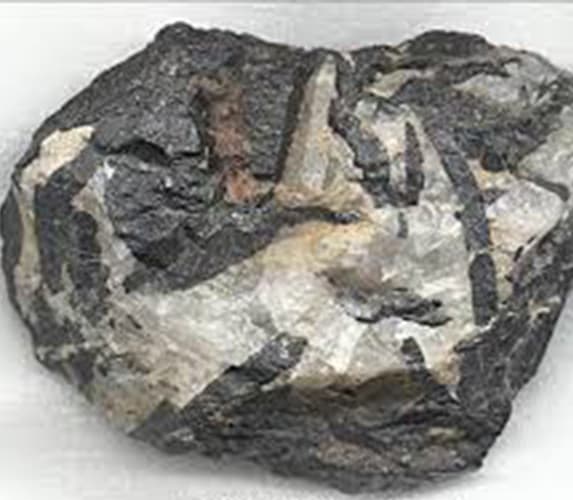
Wolframite Ore Dressing Process
Wolfram ore has the characteristics of high mining dilution rate, low grade, coarse mineral inlay size, high density, low hardness, easy muddy, deep color, etc. The beneficiation method is mainly heavy selection. The process flow of wolframite beneficiation is generally divided into several stages, such as rough selection, gravity separation, beneficiation and fine mud separation. The main processes of roughing include photoelectric beneficiation, heavy-medium beneficiation and pre-selection and waste discarding with moving screen jigging machine; the main processes of gravity separation include multi-stage grinding, multi-stage jigging, multi-stage shaker, centralized fine mud treatment, etc.; Mainly adopts the combined process flow of gravity separation, magnetic separation, flotation, Taiwan flotation and other beneficiation methods; the fine mud separation mainly adopts the method of centralized return and separate treatment.
Details →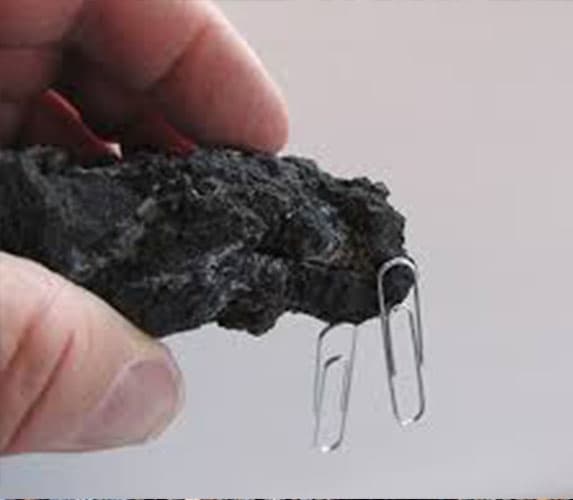
Magnetite Ore Dressing Process
The magnetite beneficiation production line is common in the beneficiation process, and it is also the more commonly used one. It has the advantages of simple and easy operation, reasonable process, economic investment, economy and environmental protection, and high recovery rate. The process of the magnetite beneficiation production line is roughly as follows: hopper ---- feeder ---- jaw crusher ---- cone crusher ---- ball mill ---- spiral classifier- ---magnetic separator.
Details →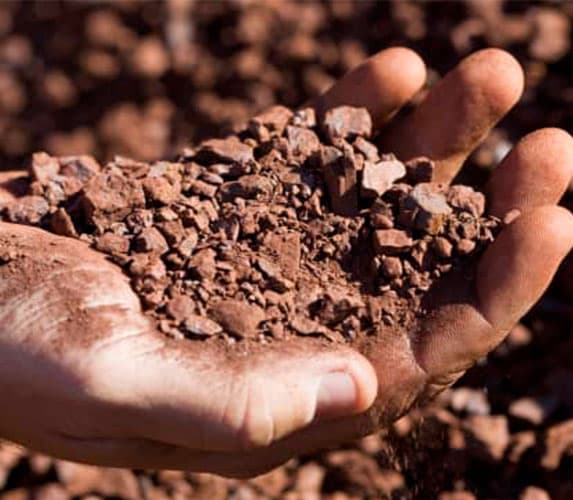
Hematite Separation Process
Hematite is widely distributed and involves many types of minerals. Therefore, the beneficiation method is not single. Early hematite ore beneficiation generally used gravity separation technology, mainly including jigs, centrifugal concentrators, spiral chutes, spiral concentrators, shaking tables, etc. Later, flotation technology and strong magnetic separation technology were developed for hematite beneficiation, mainly positive flotation technology with oxidized paraffin wax soap as collector and strong magnetic separation technology with electromagnetic flat ring strong magnetic separator as separation equipment. In recent years, the beneficiation of hematite has developed into a strong magnetic beneficiation process represented by an electromagnetic pulse high gradient magnetic separator and a reverse flotation beneficiation process represented by the SH series.
Details →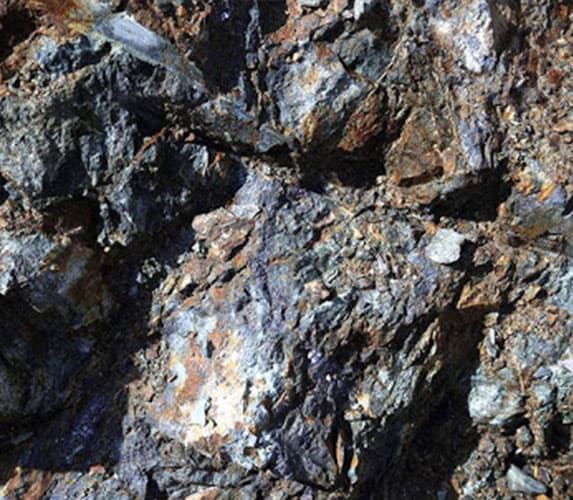
Lead-Copper-Zinc Polymetallic Ore Dressing Process
According to the high sulfur and complex characteristics of copper-lead-zinc ore, a combined flotation-concentrate regrinding process is generally used. In the lead-zinc ore beneficiation process, the equipment usually selected is copper-lead-zinc mixed flotation machine and high-efficiency stirring tank. This can reduce the cost of beneficiation and has the characteristics of high efficiency and environmental protection.
Details →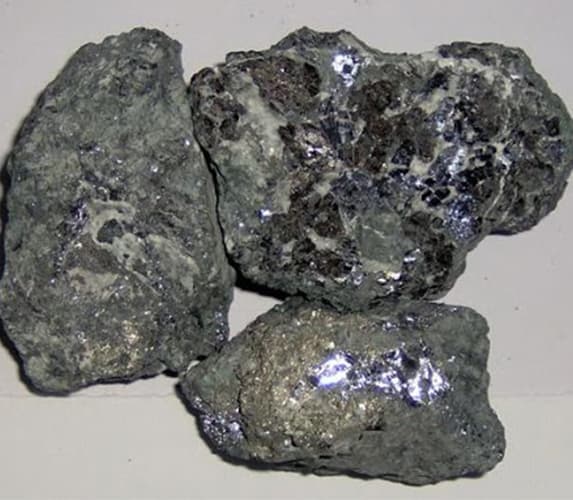
Molybdenum Ore Dressing Process
The molybdenum ore dressing process is mainly flotation, and the recovered molybdenum mineral is molybdenite. Sometimes in order to improve the quality of molybdenum concentrate and remove impurities, the molybdenum concentrate is subjected to chemical beneficiation. The molybdenum ore production line is mainly composed of jaw crushers, cone crushers, feeders, ball mills, classifiers, flotation machines, thickeners, filter presses and other equipment.
Details →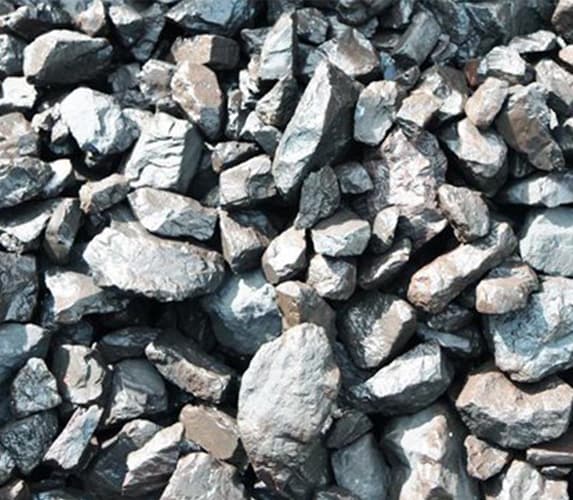
Manganese Ore Dressing Process
Manganese ore is fine-grained or fine-grained, and contains a considerable amount of high phosphate ore, high iron ore, and co- (associated) beneficial metals, making it difficult to beneficiate. Commonly used manganese ore beneficiation methods are mechanical separation (including washing, screening, gravity separation, strong magnetic separation and flotation), as well as pyroconcentration, chemical beneficiation, etc. Commonly used equipment is introduced: vibrating feeder, jaw crusher, vibrating screen, feeder, ball mill, spiral classifier, mixing barrel, flotation machine, etc.
Details →Have a project? Let's talk.
Tell us your material, capacity and final product size — our engineers will recommend the right machine or complete plant.